
As our mission articulates, SEPO embeds anti-colonial and anti-racist principles and strategies in our work.
Anti-Colonial Principles & Strategies
For many in northeastern Wisconsin, SEPO’s anti-colonial perspective is less intuitive than it is for our partners in western Zambia. However, SEPO utilizes anti-colonial strategies in all of our work, everywhere.
For example, we make deliberate (& often complicated) decisions about the language we use in our programming. We deliberately use multiple languages and knowledges in the framing of our work. Intentional use of languages other than English de-centers and destabilizes colonial framings that privilege English. Although this often means that many of our English-only speakers are confused – this is actually the point. The BBAIR partners we work with are frequently in positions where language is leveraged by organizations and institutions in ways that make those institutions inaccessible. Our BBAIR partners either have to ask for clarification or figure it out later.
We think it is ok for others to feel some of that same discomfort when engaging in our work. Examples of this include our use of words like indaba (meeting), balaeli (mentors), muluti (teachers), chincheho (change), lilato (love), zwelopili (progress), a luta continua (the struggle continues), ubuntu (I am because we are), and the multiple meanings/interpretations of the term SEPO itself (sepo as “hope” or as an acronym for Sustainability, Education, and Progress as One).
all of this is purposeful, anti-colonial intervention
Anti-Racist Principles & Strategies
Derived from our anti-colonial perspective, there is no moment (past, present, or future) in which SEPO fulfills its mission without advancing racial equity. At the surface view, our work in northeastern Wisconsin is the most directly and explicitly connected to advancing racial equity as all our programming and partnerships in Wisconsin work to center, amplify, and support racially marginalized communities.
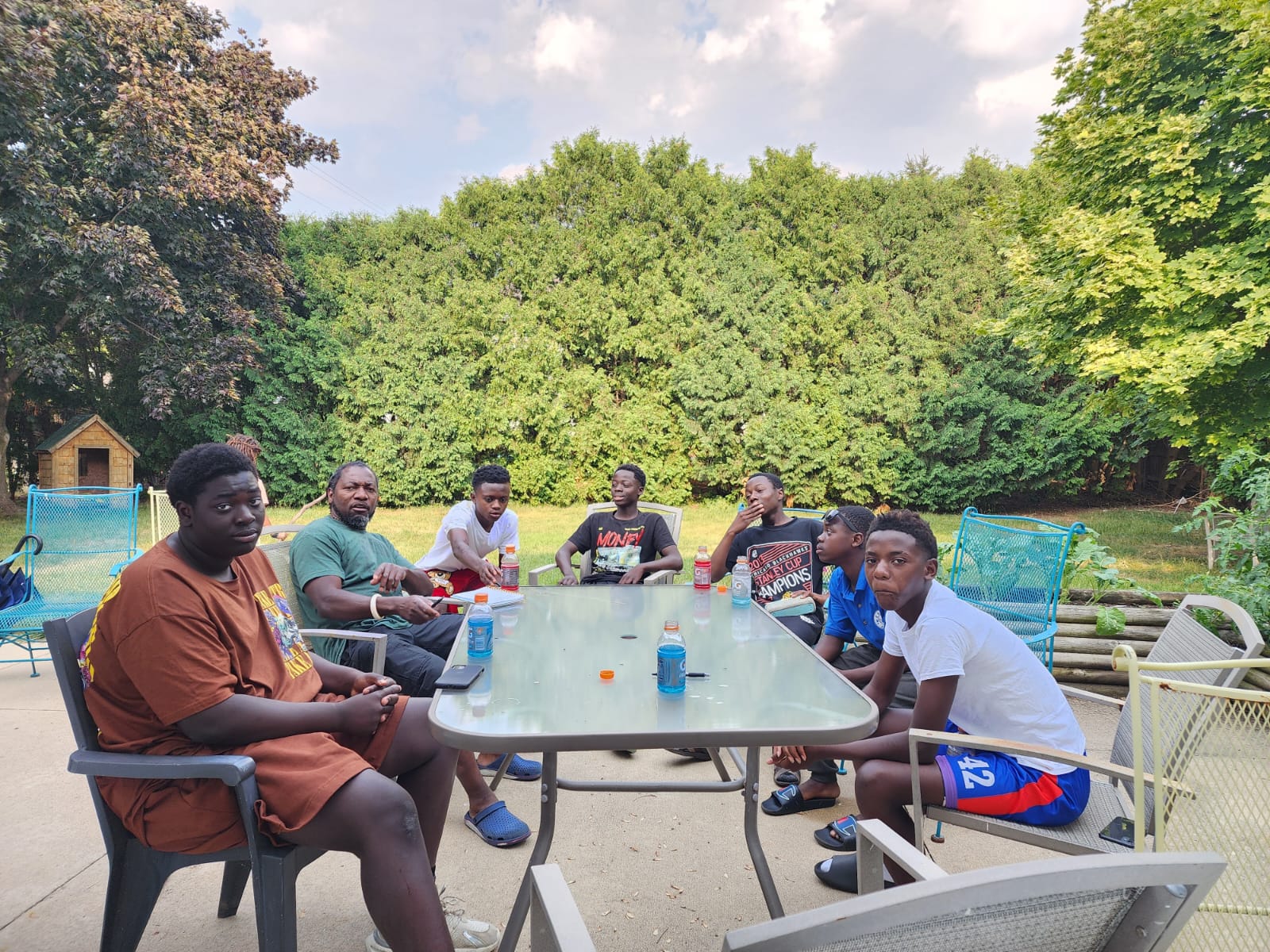
For the last seven years, SEPO has engaged in direct advocacy for marginalized communities at numerous governmental institutions, including the City of Oshkosh and the Oshkosh Area School District. For example, in 2020, we formed a group for parents and caregivers of Black/Brown students in the school district to build a co-created space for families to share their experiences, feel less isolated, and advocate for their students. In 2023, we facilitated the formation of REAL Oshkosh (Racial Equity, Advocacy, and Leadership in Oshkosh), a coalition of community advocates, leaders, and co-conspirators pushing for substantive changes in Oshkosh to increase racial equity.
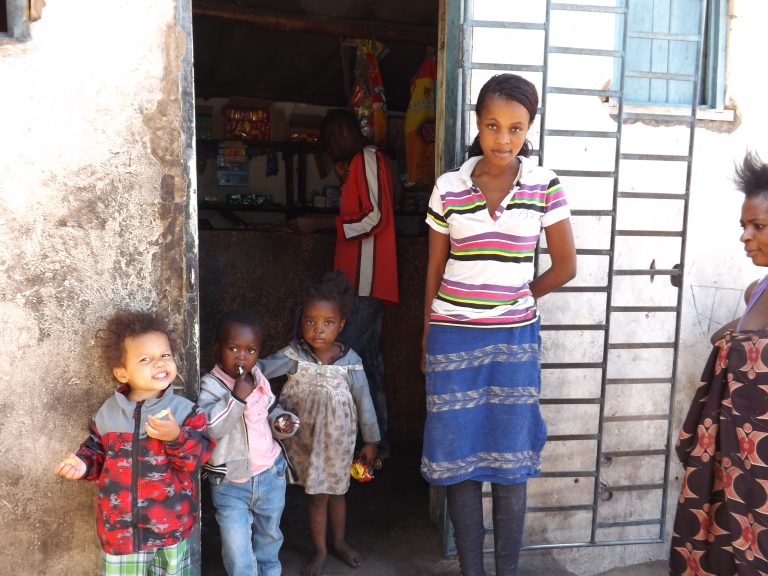
It is important to understand that our work in western Zambia is also centered on advancing racial equity from a global perspective. Many from the United States may not fully understand how SEPO’s work in western Zambia can be understood as racial equity work. After all, everyone in western Zambia is Black, so how is there racial equity work to be done? To answer that question requires a global perspective and an acknowledgement of the patterns of racial inequities at a global scale. SEPO pairs this recognition of racialized global inequities with a deep commitment to anti-colonial principles and approaches.
Our approach begins with naming the connection between colonialism and white supremacy – not simply in their historical context but also in the ways those legacies impact our contemporary global system and the opportunities and constraints on the communities we partner with.
 SEPO
SEPO 